
GoFundMe
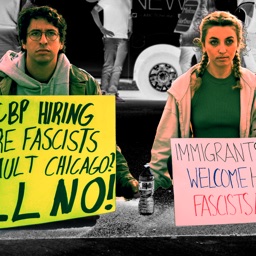
Kat Abughazaleh & Andre Martin
“Stand with Kat and Andre Against Unjust Prosecution”
$247,967 raisedof $300,000 · 83%
4,337 donations
Donate to Kat + Andre →
Snapshot 2026-06-13
Advocacy and citizen journalism — not legal advice
Katherine “Kat” Abughazaleh and her five co-defendants — Michael Rabbitt, Andre Martin, Catherine Sharp, Brian Straw, and Joselyn Walsh — are the Broadview Six. They spent seven months fighting federal charges for protesting outside an ICE facility. The case was dismissed five days before trial. The legal fees were not. The most direct way to help is below.
The most direct way to help
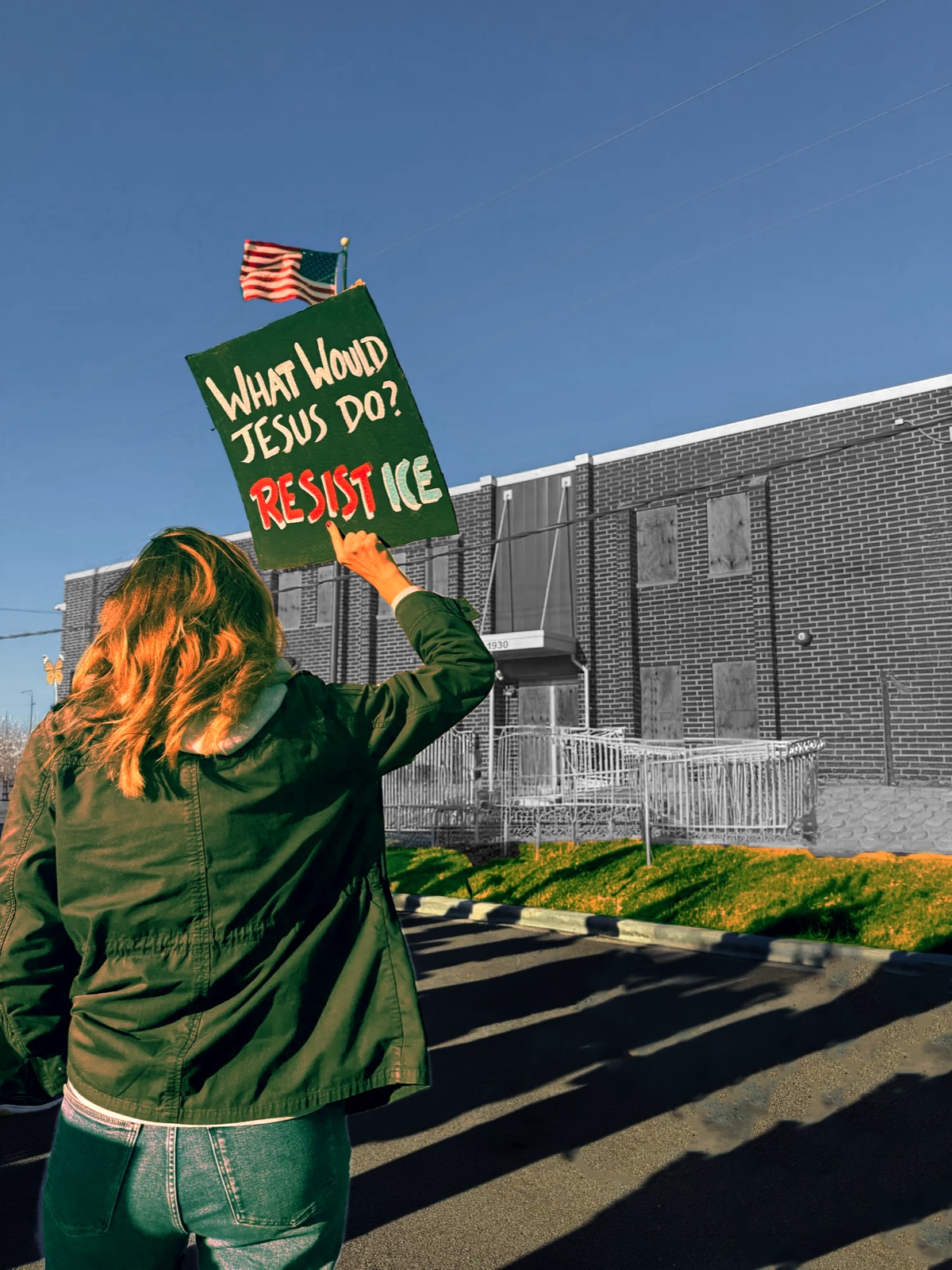
On dismissal day, the Broadview Six gathered around three legal-defense fundraisers — Kat and Andre's, Michael Rabbitt's, and Brian Straw's — and asked supporters to give to any or all. The bills are already real, from months of paying lawyers to fight a case the federal government itself dismissed. Pick one, or give to all three.
GoFundMe
“Stand with Kat and Andre Against Unjust Prosecution”
$247,967 raisedof $300,000 · 83%
4,337 donations
Snapshot 2026-06-13
GoFundMe
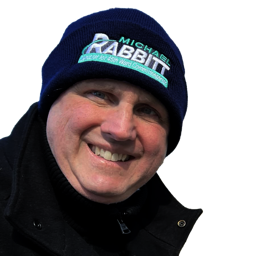
“Support Michael Rabbitt's Legal Defense Fund”
$87,721 raisedof $150,000 · 58%
893 donations
Snapshot 2026-06-13
ActBlue
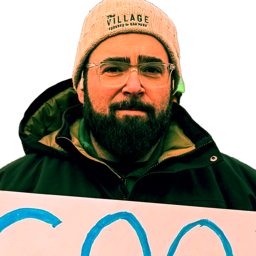
“Brian Straw Legal Defense”
Totals not published by the platform.
This site is independent and not affiliated with any defendant, their campaign, or their counsel. Each button opens that defendant's own verified fundraiser.
The argument in four parts
01
What actually happened — the protest, the indictment, the collapse, and what a federal judge found in the grand-jury transcripts.
Read →
02
How do the Broadview Six recover the legal fees? The durable route is the Hyde Amendment, the federal fee-shifting statute, applied prong by prong with the obstacles named.
Read →
03
The $1.776 billion Anti-Weaponization Fund, now blocked by a court and withdrawn by the administration. What it was, and the contingent argument that the Six qualified by its own rules.
Read →
04
The obstacles, candidly. The partisan-definition counterargument, the unreviewable panel, and the waiver that trades away the right to sue.
Read →
DOJ Press Release 26-512 · Announced 2026-05-18
$0
The Anti-Weaponization Fund. Created by the 2026 settlement in Trump v. IRS, not by Congress. Paid from the Treasury Judgment Fund. DOJ's own press release says there are “no partisan requirements” to file a claim.
On the dismissal-day livestream, defendant Brian Straw, a civil litigator and Oak Park village trustee, said: “if anybody has been harmed by weaponization of the justice system, I think it would be us.”
A federal court temporarily blocked the fund on May 29, 2026 (Judge Leonie Brinkema, E.D. Va.). No commission was seated and no claims were paid, and on June 2 the administration said it would not move forward with it. The Department built this fund; its own courts stopped it.
The durable route is a statute, not a settlement fund.
What this is
Bad Faith Prosecution wiki is an independent legal-research and citizen-journalism wiki by Danny at TheTatteredRose, the first in a series of wikis he's building. The name is the legal standard the fee argument turns on: the Hyde Amendment lets a prevailing defendant recover fees when the government's case was vexatious, frivolous, or in bad faith. Built to be corrected by readers: any passage is highlightable, and you can comment publicly or message privately right on the page. The argument is one-sided by design; the obstacles get their own page. Every factual claim is drawn from primary documents or named reporting. It uses AI to put legal research that usually costs a retainer within reach of the poor and working class people most likely to need it, then checks every claim and hands the work to humans. Read the full disclaimer.